
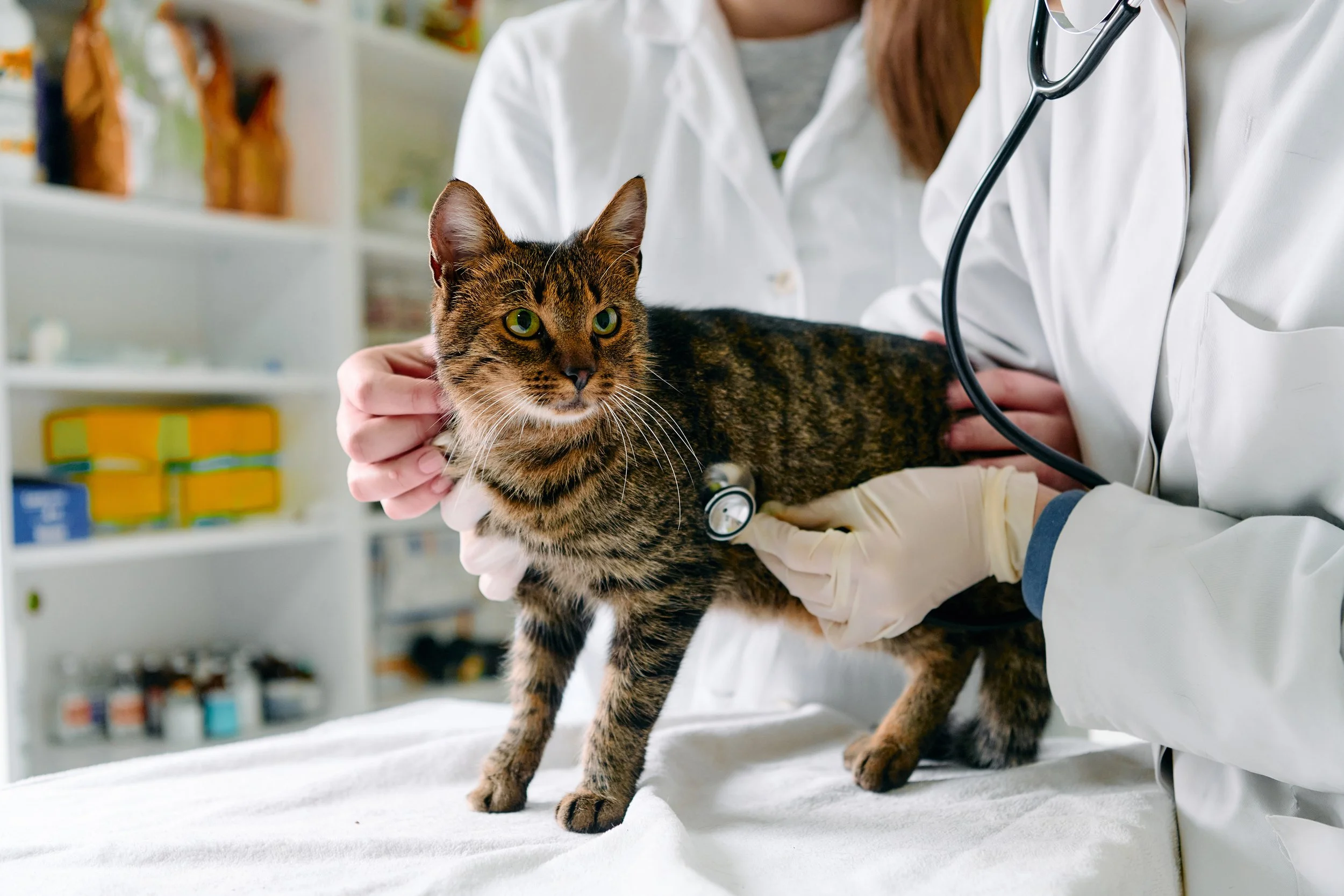
What Can be Treated at a Veterinary Hospital?
Many people are surprised by the range of medical, surgical and diagnostic services that modern veterinary hospitals can provide.
A common misconception is that local veterinary hospitals mainly provide vaccinations, basic consultations or routine procedures. In reality, modern veterinary hospitals manage a wide variety of illnesses, injuries and surgical conditions every day.
At Bankstown Veterinary Hospital, we provide comprehensive veterinary care for dogs and cats across many areas of medicine and surgery. While some highly specialised or critical cases may require referral to specialist or emergency centres, many conditions can be diagnosed, treated and managed within a general practice veterinary hospital.
This page provides examples of some of the many conditions and procedures commonly treated in veterinary hospitals.
MEDICAL CONDITIONS
Veterinary hospitals diagnose and treat a wide range of medical conditions affecting pets of all ages.
Some conditions are simple and short-term, while others require ongoing monitoring and long-term management.
GASTROENTERITIS
Gastroenteritis refers to inflammation of the stomach and intestines and is one of the most common reasons pets visit the vet.
Symptoms may include:
Vomiting
Diarrhoea
Reduced appetite
Lethargy
Abdominal discomfort
Dehydration
Causes can range from dietary indiscretion and infections through to pancreatitis, toxin exposure or more serious disease.
Treatment may involve:
Physical examination
Blood testing
Intravenous fluids
Medications
Dietary management
Hospitalisation in more severe cases
Some patients recover quickly, while others require more intensive treatment and monitoring.
SKIN DISEASE
Skin and ear problems are among the most commonly treated conditions in veterinary medicine.
Common symptoms include:
Itching
Redness
Hair loss
Licking or chewing
Rashes
Recurrent infections
Skin disease may be caused by:
Allergies
Fleas or parasites
Infections
Hormonal disease
Food sensitivities
Environmental triggers
Some skin conditions are straightforward, while others may require ongoing investigation and long-term management.
Diagnostic testing may include:
Skin cytology
Microscopic examination
Allergy investigations
Blood testing
Treatment plans are tailored to the individual patient and may include medications, dietary changes or ongoing preventive care.
EAR INFECTIONS
Ear disease is another very common condition seen in dogs and cats.
Symptoms may include:
Head shaking
Scratching at ears
Redness
Smell or discharge
Pain
Recurrent infections
Ear infections may occur secondary to allergies, moisture, ear conformation, parasites or underlying skin disease.
Veterinarians often examine ear samples microscopically to determine the type of infection and appropriate treatment.
Chronic ear disease may require ongoing management.
DIABETES
Diabetes is a common hormonal disease in both dogs and cats.
Symptoms may include:
Increased thirst
Increased urination
Weight loss
Increased appetite
Lethargy
Managing diabetes often involves:
Blood testing
Urine testing
Insulin therapy
Dietary management
Regular monitoring
Many diabetic pets can live happy and stable lives with appropriate treatment and monitoring.
ARTHRITIS
Arthritis and degenerative joint disease are especially common in older pets.
Signs may include:
Difficulty getting up
Slowing down on walks
Reluctance to jump
Stiffness
Reduced activity
Modern arthritis management often involves a multimodal approach including:
Pain relief medications
Weight management
Joint supplements
Mobility support
Lifestyle modifications
Arthritis cannot usually be cured, but many pets experience significant improvement in comfort and quality of life with treatment.
HEART DISEASE
Veterinary hospitals commonly diagnose and manage many forms of heart disease.
Some conditions may first be detected during routine examinations when a heart murmur or abnormal rhythm is identified.
Signs of heart disease may include:
Coughing
Exercise intolerance
Increased breathing effort
Collapse
Reduced energy levels
Diagnosis may involve:
Physical examination
Chest X-rays
Blood pressure measurement
Ultrasound (echocardiography)
Blood testing
Some cardiac conditions can be managed successfully for extended periods with medication and monitoring.
KIDNEY DISEASE
Kidney disease is particularly common in older cats and senior dogs.
Symptoms may include:
Increased thirst
Increased urination
Weight loss
Reduced appetite
Vomiting
Lethargy
Diagnosis often involves:
Blood testing
Urine testing
Blood pressure measurement
Ultrasound or imaging
Treatment may include:
Prescription diets
Fluid therapy
Medications
Ongoing monitoring
Early detection can often help improve long-term management and quality of life.
SURGICAL PROCEDURES
Modern veterinary hospitals routinely perform a wide range of surgical procedures.
Patients undergoing surgery receive careful preparation, anaesthesia, monitoring, pain management and post-operative care.
DESEXING
Desexing is one of the most common surgical procedures performed in veterinary hospitals.
Desexing may help:
Prevent unwanted litters
Reduce some reproductive diseases
Reduce certain behavioural issues
Lower the risk of some cancers and infections
Your veterinarian can discuss the most appropriate timing and considerations for your pet.
LUMP REMOVALS
Lumps and skin masses are very common, particularly in older pets.
While some lumps are harmless, others may require investigation or removal.
Veterinarians may recommend:
Needle sampling
Cytology
Surgical removal
Laboratory analysis (histopathology)
Early assessment of new lumps is important, as some cancers are easier to manage when detected earlier.
WOUND REPAIR
Veterinary hospitals commonly treat:
Bite wounds
Lacerations
Abscesses
Traumatic injuries
Treatment may involve:
Sedation or anaesthesia
Cleaning and flushing wounds
Suturing
Drain placement
Pain relief
Antibiotics
Ongoing bandage care
Some wounds require surgery or hospitalisation depending on severity.
FOREIGN BODY SURGERY
Pets, particularly dogs, sometimes swallow objects that become lodged within the stomach or intestines.
Common examples include:
Toys
Balls
Socks
Bones
Corn cobs
Clothing
String-like material
Symptoms may include:
Vomiting
Reduced appetite
Abdominal pain
Lethargy
Foreign bodies can become life-threatening if left untreated.
Diagnosis may involve:
X-rays
Ultrasound
Blood testing
Some cases require emergency surgery to remove the obstruction.
BLADDER SURGERY
Veterinary hospitals may perform bladder surgery for conditions such as:
Bladder stones
Urinary obstruction
Bladder masses
Trauma
Urinary conditions can quickly become serious, particularly in male cats with urinary blockages.
Symptoms requiring urgent veterinary attention may include:
Straining to urinate
Frequent attempts to urinate
Blood in urine
Crying or discomfort
Inability to pass urine
EMERGENCY SURGERY
General practice veterinary hospitals often manage urgent or emergency surgical conditions.
Examples may include:
Wounds and trauma
Pyometra (uterine infection)
Gastrointestinal foreign bodies
Bleeding masses
Bladder obstruction
Caesarean sections
Some complex or critical cases may require referral to emergency or specialist hospitals depending on the individual situation.
DIAGNOSTIC SERVICES
Diagnostic testing is an important part of modern veterinary medicine.
Because pets cannot explain how they are feeling, veterinarians often rely on diagnostic tools to identify illness and guide treatment decisions.
BLOOD TESTING
Blood tests provide valuable information about your pet’s internal health.
Blood testing may help assess:
Kidney function
Liver function
Infection or inflammation
Diabetes
Anaemia
Electrolyte balance
Hormonal disease
Blood tests are commonly used for both diagnosis and ongoing monitoring of medical conditions.
URINE TESTING
Urine testing may help diagnose:
Urinary tract infections
Diabetes
Kidney disease
Bladder stones
Urinary crystals
Urine analysis often complements blood testing and other diagnostic procedures.
X-RAYS (RADIOGRAPHY)
X-rays allow veterinarians to examine structures inside the body.
X-rays may be used to assess:
Bones and joints
Fractures
Arthritis
Heart size
Lung disease
Gastrointestinal problems
Foreign objects
Bladder stones
Radiography is one of the most commonly used diagnostic imaging tools in veterinary medicine.
ULTRASOUND
Ultrasound uses sound waves to create real-time images of internal organs and soft tissues.
Ultrasound may assist in diagnosing:
Liver disease
Kidney disease
Bladder problems
Pregnancy
Abdominal masses
Fluid accumulation
Gastrointestinal disease
Ultrasound is particularly useful for assessing soft tissue structures that cannot be fully evaluated on X-rays alone.
WHEN IS REFERRAL RECOMMENDED?
While veterinary hospitals can manage a wide range of conditions, some pets may benefit from referral to specialist or emergency centres.
Referral may be recommended for:
Advanced imaging such as CT or MRI
Specialist surgery
Complex internal medicine cases
Neurology
Oncology
Intensive 24-hour monitoring
Referral does not mean your regular veterinary hospital can no longer help. In many cases, care is shared between the specialist hospital and your regular veterinarian.
COMPREHENSIVE CARE CLOSE TO HOME
Modern veterinary hospitals provide far more than many people realise.
From routine preventive care through to diagnostics, surgery, hospitalisation and long-term disease management, veterinary hospitals play an important role in supporting pets throughout all stages of life.
If you are unsure whether your pet’s condition can be assessed or treated, our team is always happy to discuss your concerns and help guide you toward the most appropriate care.